Communities · By Ron Rougeaux · Published 2026-10-10 · Updated 2026-10-10
Walkable Living in Lacey: Finding a Home Close to Your Everyday Stops
Lacey, Thurston County, Washington
Quick answer
Explore walkable living in Lacey with practical tips for comparing streets, testing daily routes and choosing a home near the places you use most.
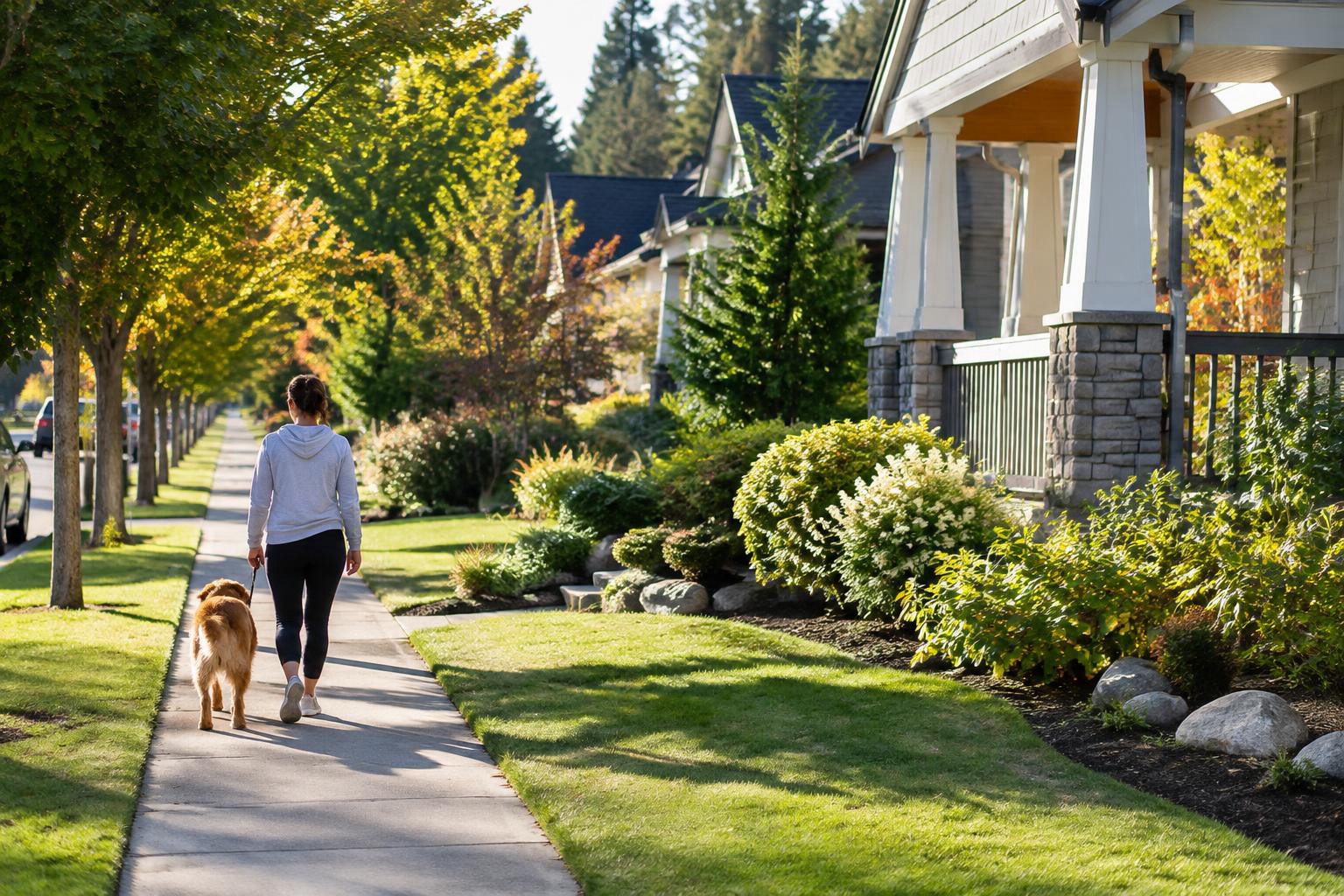
Walkable living in Lacey starts with a practical question: What would you like to reach without getting in the car? For one buyer, it is a library visit and a place to grab lunch. For another, it is a trail, a bus stop or a few essential errands. The right home does not have to put everything within walking distance. It should make the routines you care about easier to enjoy.
Lacey offers a different experience from a traditional downtown built around a continuous stretch of storefronts. Its civic destinations, shopping areas, residential streets and trails create pockets of convenience rather than one uniform pedestrian district. For buyers exploring Olympia, Lacey and Tumwater, that distinction matters. Here is how to evaluate Lacey’s central areas and nearby homes with your actual daily life in mind.
Quick answer: talk to a local
Text Captain Ron at (360) 338-8355 or search homes now.
Understand What Downtown Means in Lacey
If you picture downtown living as stepping out above a row of shops, approach Lacey with an open mind. The area around Huntamer Park, Lacey City Hall and the Lacey Timberland Library provides a useful starting point for exploring the city’s central destinations. Nearby commercial corridors offer additional services, but the connections between those places matter just as much as their proximity on a map.
Start your search around places you would genuinely use. Walk around the civic area, then explore the streets connecting it to nearby housing and shopping. Pay attention to whether the route feels direct and comfortable. A destination can be geographically close yet require a longer walk because of parking lots, limited crossing locations or the placement of building entrances.
If you are comparing the three neighboring cities, visit each rather than assuming their central areas function alike. Downtown Olympia has a more recognizable storefront-and-street-grid experience. Lacey’s appeal may be a home near several useful destinations combined with access to trails and regional routes. Tumwater offers its own mix of residential areas and services. Let the setting support your lifestyle rather than choosing by the downtown label alone.
Test the Walk, Not Just the Address
Before touring homes, choose three destinations you would like to reach on foot. That might mean groceries, the library and a park, or a bus stop, lunch spot and pharmacy. Map the actual walking routes from each candidate home. Then check them in person, looking for continuous sidewalks, usable crossings and entrances that welcome pedestrians rather than sending them around a large parking area.
Major corridors such as Pacific Avenue, Martin Way and Sleater-Kinney Road deserve particular attention when they fall along your route. Conditions vary by location, and being near a commercial corridor does not automatically make errands easy on foot. Notice crossing distances, turning traffic, signal timing and driveway entrances. If you use a wheelchair, walker or stroller, examine curb ramps, surface condition and sidewalk obstructions too.
Try the route at the time you expect to use it. A pleasant midday outing can feel different during evening traffic or after sunset. During fall and winter, rain, wet leaves and shorter daylight hours make lighting and footing more noticeable. Ask yourself whether you would still choose the walk while carrying groceries in a rain jacket, not just on a sunny home-tour afternoon.
Look for Useful Connections to Trails and Transit
The Woodland Trail and Chehalis Western Trail are worth considering when comparing Lacey locations. Depending on the property and your destination, trail access may add a pleasant walking or cycling option to your routine. However, a trail shown behind a neighborhood does not guarantee a nearby public entrance. Locate the access point and check the full route between it and the home.
Separate recreational walkability from errand walkability. A home can offer an excellent place for a daily walk while still requiring a drive for groceries. Another may make errands convenient but provide less separation from traffic. Neither is automatically better. Decide whether your priority is exercise, transportation or a combination, then evaluate the property against that goal.
Intercity Transit is another part of the Olympia–Lacey–Tumwater transportation picture. If transit could replace some driving, check current routes, schedules and service information directly with the agency. Test the walk to the stop and the complete trip to your destination, including transfers and the return journey. A nearby stop is useful only when the service works with your schedule.
Balance Convenience with the Home Itself
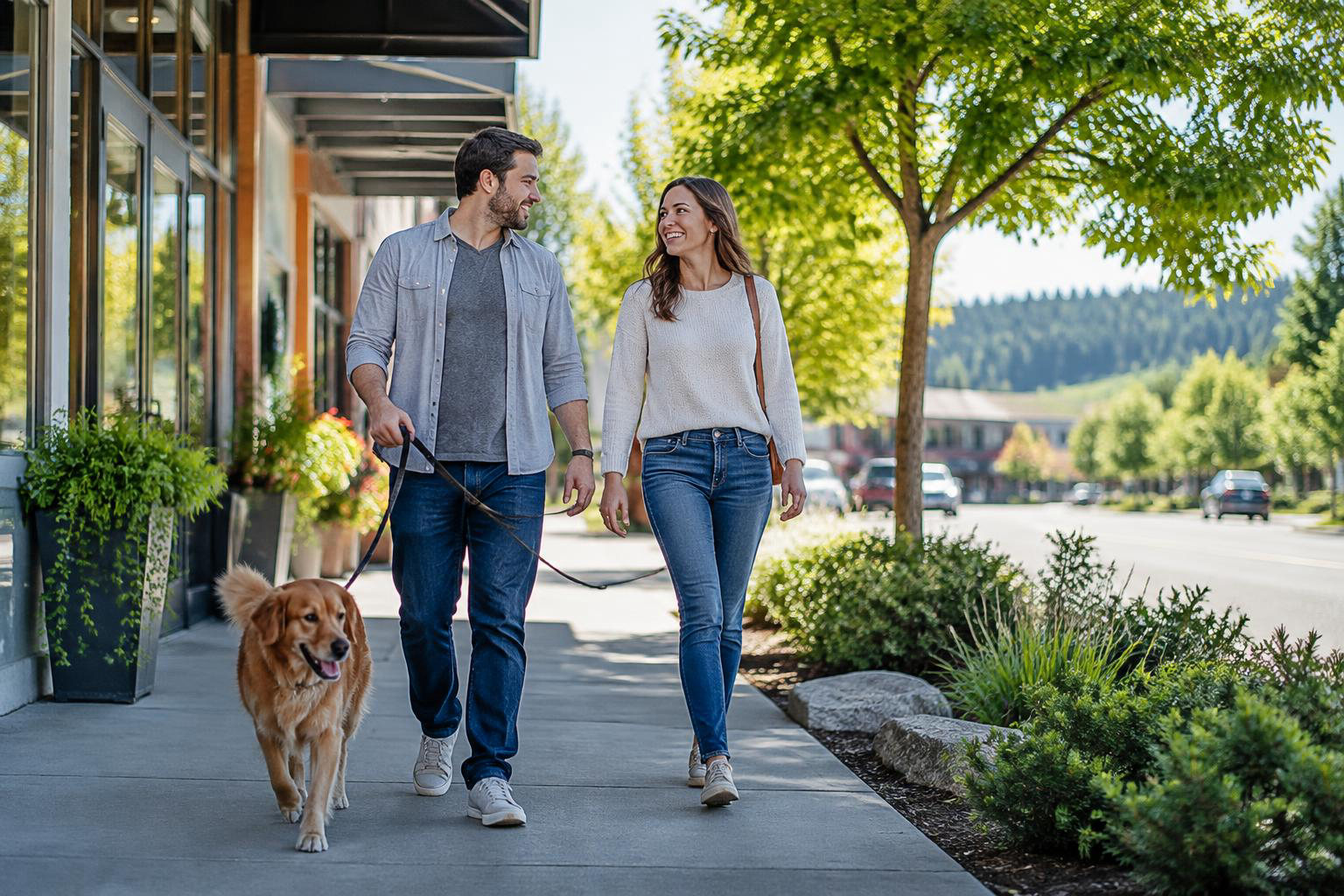
A convenient location can involve trade-offs, so compare the living experience as carefully as the walking route. Homes near services may have more traffic activity, different privacy conditions or less separation from neighboring properties. Visit with the windows open if possible, listen from outdoor spaces and notice where headlights fall. Check parking arrangements even if you hope to drive less; guests, deliveries and occasional car trips still matter.
Look for features that make a walking-oriented routine easier. A sheltered entry, space for wet coats and shoes, and secure bicycle storage can be more useful than they first appear. For a condominium or a home in an association, review current documents for parking, storage, maintenance responsibilities and use restrictions. Do not assume shared amenities or nearby paths come with unrestricted access.
Keep affordability grounded in the whole property rather than a promise of transportation savings. Walking more may reduce some driving, but the effect depends on your household. Compare financing, taxes, insurance, utilities, association dues where applicable and expected maintenance. The goal is a home whose location and ongoing costs both fit comfortably.

Build a Shortlist Around Your Real Routine
Write down a typical weekday and weekend before narrowing your search. Include work, appointments, errands, recreation and the people you visit. Then identify which trips must remain car-based and which you would like to walk, cycle or take by transit. This exercise often reveals that a useful Lacey location is not necessarily the one closest to the most destinations.
For each finalist, plan a small real-world test: walk to one essential errand, find the nearest practical outdoor route and check the trip to work. Note what is available today rather than relying on hoped-for development. If future improvements are important to your decision, verify their status with the City of Lacey and distinguish proposals from funded or completed work.
PNW Homes Group, the Olympia-based brokerage owned by Captain Ron, Ron Rougeaux, can help you organize a home search around these everyday priorities. Whether you are focused on Lacey or comparing options across Thurston County, bring your must-have destinations and your comfort level with walking. A productive search connects the right home with routes and routines you will actually use.
Browse homes for sale in Lacey, WA or search all South Sound listings.
Frequently asked questions
Does Lacey have a traditional walkable downtown?
Lacey has central civic and commercial destinations, but it is not one continuous pedestrian-oriented storefront district. Explore the area around Huntamer Park, City Hall and the library, then test connections to individual homes.
Can I live in Lacey without a car?
That depends on your address, work schedule and regular destinations. Test essential trips on foot and through current Intercity Transit service before deciding whether a car-free household is practical.
Does being near a trail make a home walkable?
It can improve recreational access, but it does not necessarily make shopping or appointments reachable on foot. Verify public trail entrances and the complete routes to your everyday destinations.
What should I check during a walkability visit?
Look at sidewalks, crossings, lighting, traffic, slopes and building entrances. Walk at your usual travel time, and consider how rain, darkness or carrying bags would change the experience.
Ready to talk it through? Call or text Ron Rougeaux at (360) 338-8355 or email captainronjr@gmail.com.
About the author: Captain Ron (Ron Rougeaux)
Owner and Managing Broker of PNW Homes Group in Olympia. He works with every buyer and seller personally. More about Ron
Related articles
Questions? Talk to Ron directly