Communities · By Ron Rougeaux · Published 2026-10-14 · Updated 2026-10-14
Rain-Ready in Olympia: A Practical Seasonal Home Maintenance Guide
Olympia, Thurston County, Washington
Quick answer
Keep your Olympia home ready for rainy weather with practical tips for gutters, drainage, moisture control, heating, and safer outdoor spaces.
Rain is part of everyday life in Olympia, but a comfortable home takes more than a good doormat. As October brings us into the wetter stretch of the year, small maintenance jobs can help prevent soggy crawl spaces, slippery steps, and leaks that go unnoticed until a ceiling stain appears. The goal is not to weatherproof everything in one weekend. It is to give water a clear route away from your home and catch trouble early.
At PNW Homes Group, the Olympia real estate brokerage owned by Captain Ron (Ron Rougeaux), we see seasonal upkeep as part of protecting both your daily comfort and your property. Whether you own an older house in Olympia, a newer home in Lacey, or a wooded property near Tumwater, start with the checklist below and adapt it to your home's construction, landscaping, and maintenance history.
Quick answer: talk to a local
Text Captain Ron at (360) 338-8355 or search homes now.
Start at the Roof: Gutters, Downspouts, and Visible Warning Signs
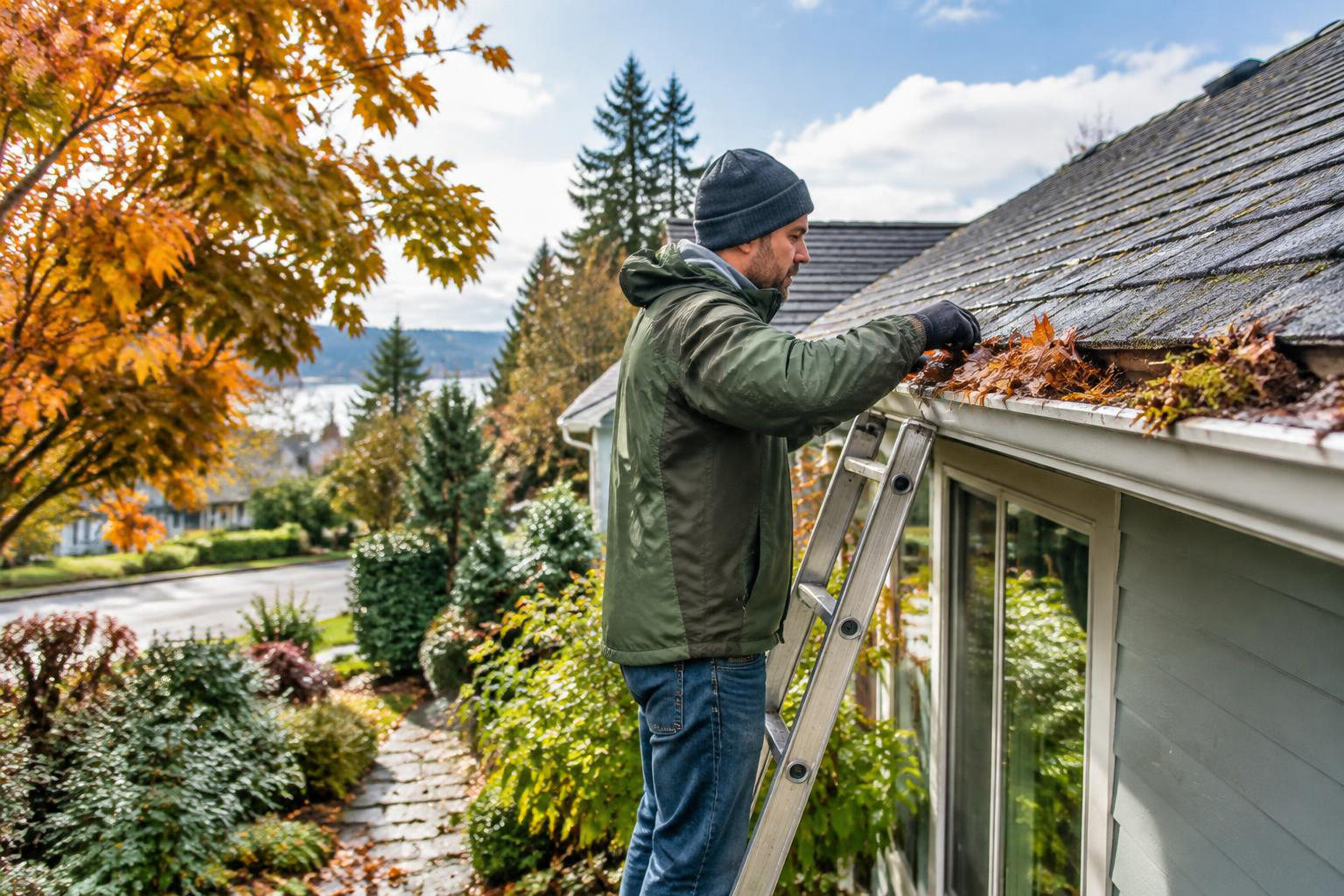
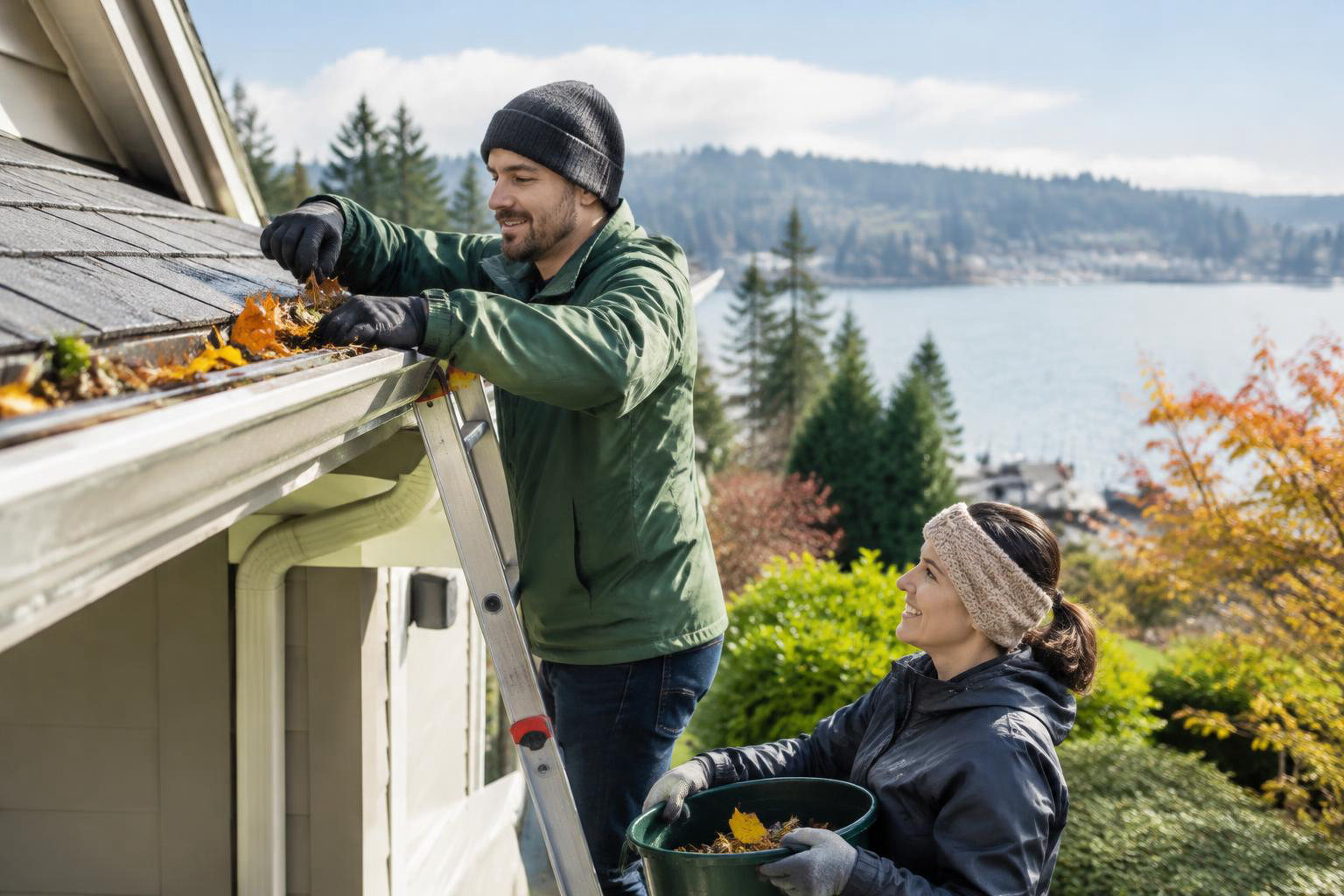
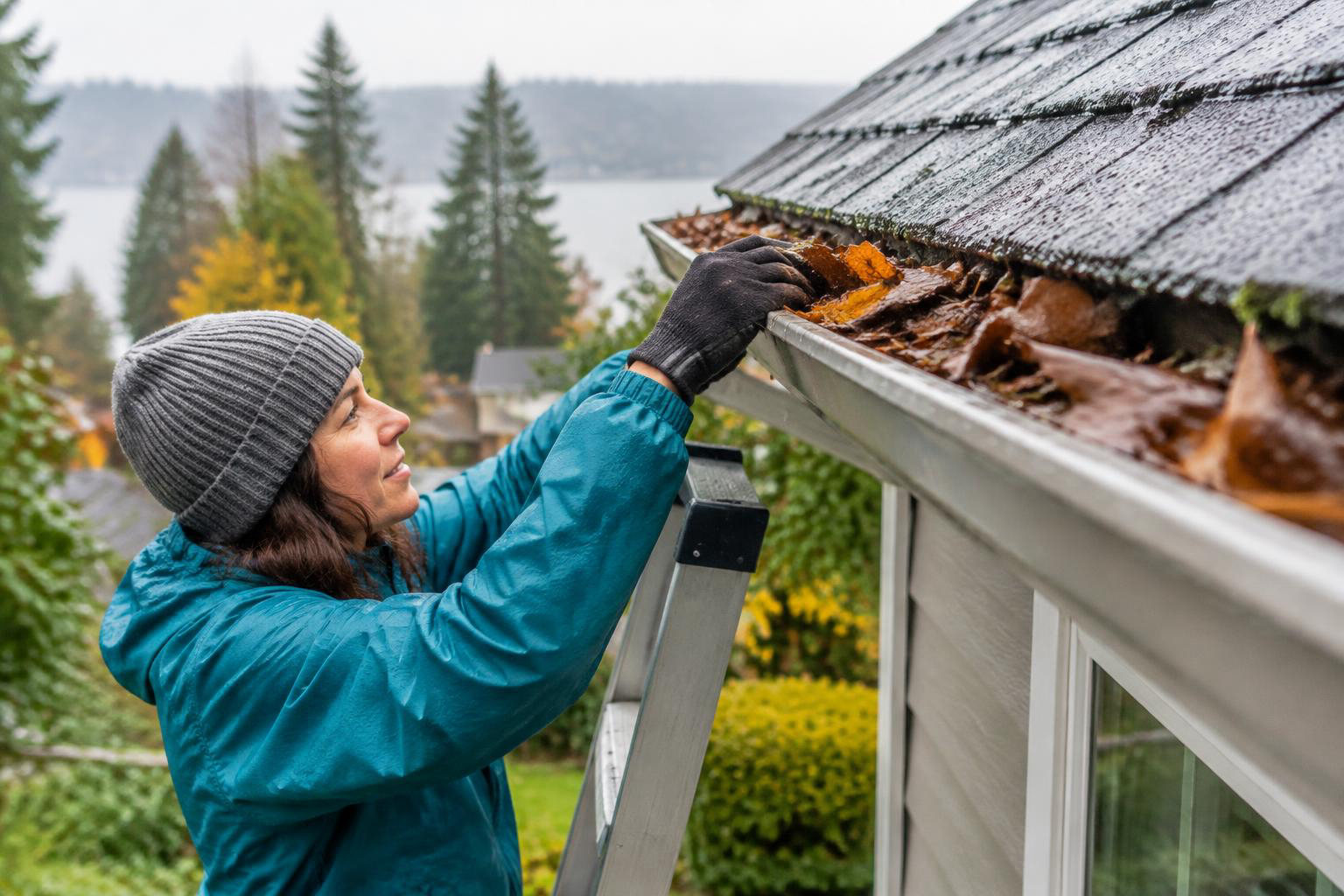
On a rainy day, look at your gutters from the ground. Water spilling over an edge, dripping behind a gutter, or pooling beneath a downspout suggests the system needs attention. Leaves and evergreen needles can collect throughout the season, so one fall cleaning may not be enough, especially beneath mature trees. Arrange safe cleaning and check that downspouts remain connected and discharge to an appropriate location away from the foundation.
Inspect the roof from the ground with binoculars if helpful. Look for displaced roofing, accumulated branches, and moss growth that warrants professional evaluation. Inside, check accessible attic areas for damp wood or staining without stepping off designated walkways or disturbing insulation. Do not climb onto a wet roof, and avoid pressure-washing roofing materials. A qualified roofer can recommend cleaning or repairs suited to the roof type without damaging its protective surface.
Follow the Water Around Your Yard and Foundation
Walk the perimeter during steady rain, provided conditions are safe. Notice where water travels from the driveway, patios, roof, and neighboring slopes. A puddle that repeatedly forms against the house deserves more attention than a temporarily wet patch of lawn. Clear leaves from accessible surface drain grates, but do not remove heavy covers or enter drainage structures. Keep mulch and soil below siding and maintain visible clearance around the base of the house.
Across Olympia, Lacey, and Tumwater, drainage needs vary by lot, slope, soil, and existing infrastructure. Before adding a downspout extension or changing landscaping, identify where the water will go. Do not redirect runoff onto a neighbor's property, a sidewalk, or a slope where it could cause erosion. For persistent pooling, get a qualified drainage professional's assessment and check applicable local requirements before installing drains, excavating, or changing a discharge connection.
If your home has a crawl space, inspect from the access opening only when it is safe. Standing water, fallen insulation, or a strong musty smell calls for further evaluation. Do not enter a flooded crawl space; electrical and other hazards may be hidden. If you have a sump pump, test it according to its instructions and confirm that its discharge route is clear.
Keep Rain Outside and Manage Moisture Inside
Check weatherstripping around exterior doors and look for gaps, cracked sealant, or staining around windows. A drafty door may need a simple adjustment, while recurring water intrusion can indicate a flashing or installation problem that surface caulk will not solve. Keep window weep holes open where present; they allow collected water to escape. Choose sealants compatible with the materials and follow temperature, surface-dryness, and curing requirements rather than applying them during a downpour.
Indoor moisture also needs an exit. Use bathroom exhaust fans during showers and afterward until moisture clears, and use a kitchen exhaust fan that vents outdoors when cooking. Keep furniture slightly away from cold exterior walls if condensation develops behind it. A humidity monitor can help you recognize patterns, but recurring wet windows or musty odors deserve investigation rather than simply turning up the heat.
Create a drying routine for wet coats, boots, and pet towels. A washable entry mat and boot tray contain water, but empty and dry them regularly so moisture does not sit against flooring. Address leaks promptly and dry affected materials thoroughly. Widespread mold, persistent odors, or moisture returning after cleanup is a reason to seek qualified help and identify the source.
Prepare Heating, Outdoor Faucets, and Outage Essentials
Before heating becomes a daily necessity, replace or clean HVAC filters as specified by the equipment manufacturer and arrange service if it is due. Keep supply registers and returns unobstructed. For a heat pump, clear fallen leaves around the outdoor unit while preserving the manufacturer's required clearance. Do not wrap an operating unit or chip ice off its coils. Unusual noises, repeated icing, or poor heating call for professional attention.
Rainy-season preparation should include the colder weather that can follow. Disconnect garden hoses before freezing conditions arrive, and winterize exterior faucets and irrigation equipment according to their design. Know where your main water shutoff is and make sure it is accessible. If you use a fireplace or wood stove, arrange appropriate inspection and cleaning before regular use. Test smoke and carbon monoxide alarms according to their instructions.
Keep flashlights, charged power banks, and basic outage supplies accessible. If you use a portable generator, operate it outdoors at least 20 feet from the home, with exhaust directed away from doors, windows, and vents. Never use it in a garage, even with the door open, or connect it to a household outlet. Have a qualified electrician handle any connection to home wiring.
Make Outdoor Routes Safer and Keep a Simple Maintenance Record
Wet leaves and algae can make steps, decks, and shaded walkways slick. Sweep frequently, keep handrails secure, and use cleaning methods appropriate for each surface. Check entry lighting after dark, especially along steps and uneven paths. Look at trees from a safe distance for hanging limbs or recent damage; a qualified arborist should assess concerning branches. Stay clear of damaged trees and downed utility lines.
Build a short seasonal log with photos, service receipts, and notes about where water collects. Recheck known trouble spots after windy rainstorms rather than relying on a single annual inspection. If a move is on your horizon, these records can help you explain completed work and identify issues to discuss with your real estate professional. PNW Homes Group can help you distinguish routine upkeep from preparation priorities for an Olympia-area sale.
Browse homes for sale in Olympia, WA or search all South Sound listings.
Frequently asked questions
How often should I check gutters during Olympia's rainy season?
Check them before sustained fall rain and again after heavy leaf drop or windy storms. Overflow or nearby trees may mean cleaning is needed more often.
Is standing water in a crawl space normal after heavy rain?
It should not be dismissed as normal. Avoid entering and have the source evaluated; drainage problems, plumbing leaks, and groundwater require different solutions.
Should I pressure-wash a slippery deck?
Not automatically. High pressure can damage wood and some composite products. Start with debris removal, then follow the decking manufacturer's cleaning guidance.
Which rainy-season repairs should I prioritize before selling?
Start with active leaks, unsafe walking surfaces, standing water, and heating problems. Address causes before cosmetic damage, and keep documentation of professional assessments and completed repairs.
Ready to talk it through? Call or text Ron Rougeaux at (360) 338-8355 or email captainronjr@gmail.com.
About the author: Captain Ron (Ron Rougeaux)
Owner and Managing Broker of PNW Homes Group in Olympia. He works with every buyer and seller personally. More about Ron
Related articles
Questions? Talk to Ron directly