

Communities · By Ron Rougeaux · Published 2026-11-04 · Updated 2026-11-04
Gig Harbor Waterfront Living: A Practical Guide to Finding Your Place on Puget Sound
Gig Harbor, Pierce County, Washington

Quick answer
Explore Gig Harbor waterfront living, from shoreline access and boating to inspections, insurance, and choosing a home that fits your daily routine.
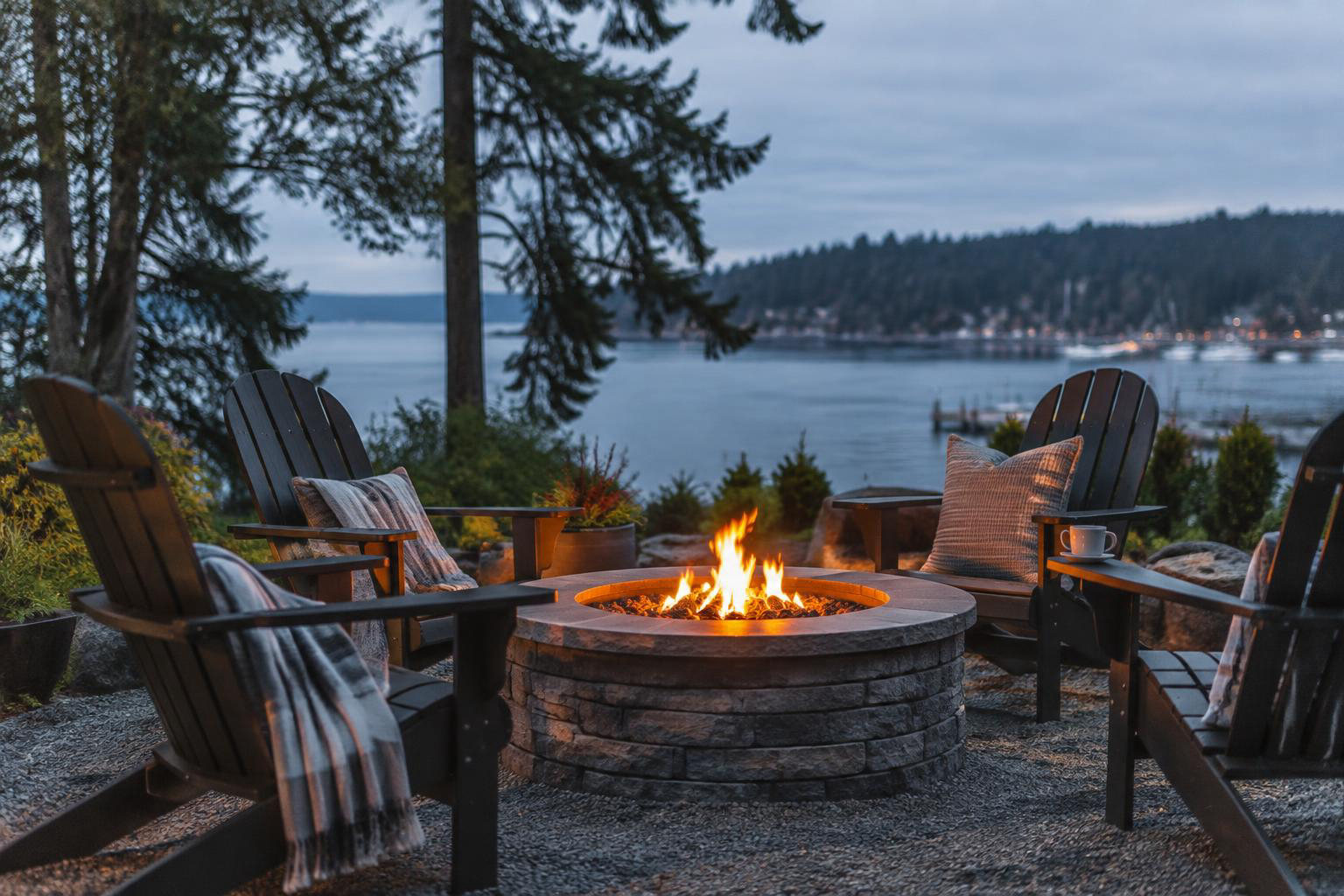
Gig Harbor makes it easy to picture a life shaped by the water: watching boats cross the harbor, taking a shoreline walk, or fitting a paddle into a quiet morning. But choosing a home here takes more than finding a beautiful view. The best fit depends on how you want to use the water, how much maintenance you welcome, and what your everyday schedule requires.
One geographic detail matters as you begin: Gig Harbor is in Pierce County, not Thurston County. For buyers familiar with Olympia, Lacey, and Tumwater, it offers a different South Puget Sound setting and travel pattern. PNW Homes Group, the Olympia-based brokerage owned by Captain Ron, Ron Rougeaux, can help you approach that choice with practical questions rather than waterfront-daydream assumptions.
Quick answer: talk to a local
Text Captain Ron at (360) 338-8355 or search homes now.
Start with the Waterfront Lifestyle You Actually Want
Waterfront, water-view, and water-access homes offer different experiences. A waterfront parcel may meet the shoreline without providing an easy route to the beach. A view home might sit above the water with no private access at all. Shared access can be useful, but its value depends on recorded rights, maintenance responsibilities, and rules about guests, boats, or storage. Decide whether your priority is scenery, beach walking, paddling, or keeping a boat nearby before you narrow your search.
Gig Harbor’s enclosed harbor, nearby coves, and shorelines facing more open water should not be treated as interchangeable. Exposure, vessel traffic, tides, and shoreline shape affect how a property feels and functions. If launching a kayak matters, walk the actual route from storage to shore. If you mainly want a peaceful outlook, consider whether a water-view home could deliver that experience with fewer shoreline-related responsibilities.
Compare the Harbor Setting with Your Everyday Routine
Homes near the downtown waterfront can put harbor walks and public gathering places closer to daily life. Properties farther from the center, including areas toward Wollochet Bay or along the broader Gig Harbor peninsula, can offer a different balance of privacy, access, and driving. A Gig Harbor mailing address does not necessarily mean a property is inside city limits. Confirm jurisdiction early because it affects which office handles permitting and land-use questions.
Test the ordinary trips, not just the scenic approach. Drive from a prospective home to groceries, healthcare, and your workplace at relevant times. Travel toward Tacoma may involve the Tacoma Narrows Bridge; check current toll arrangements and account for congestion. If you regularly visit Olympia, Lacey, or Tumwater, try that trip rather than judging it by map distance. Also walk the immediate neighborhood: hills, limited shoulders, and driveway grades can make a short trip less comfortable on foot.
Read the Shoreline as Carefully as the House
A waterfront showing should include time outdoors looking beyond the view. Ask about shoreline stability, drainage, retaining structures, bulkheads, and the condition of any stairs or paths to the water. On bluff properties, erosion and slope stability deserve particular attention. A general home inspection may identify concerns, but it does not replace a geotechnical evaluation or a qualified assessment of waterfront structures when those are warranted.
Request available permits, surveys, and documentation for docks, floats, bulkheads, and shoreline work. An existing improvement is not proof that it was permitted or can be replaced in the same form. Shoreline regulations, critical-area protections, and other approvals may limit future projects. Confirm questions with the relevant city or county office and, where applicable, other permitting agencies. If a purchase depends on adding a dock or rebuilding beach stairs, investigate feasibility before committing—not after closing.
Budget for Exposure, Insurance, and Water Access
Puget Sound living adds maintenance considerations that are easy to overlook on a clear afternoon. Salt exposure, wind-driven rain, and persistent moisture can affect fasteners, railings, decks, siding, and exterior finishes. Inspect roof drainage, crawl spaces, ventilation, and signs of recurring water intrusion. Ask what owners have maintained and request supporting records where available. If the property uses a septic system or private well, include appropriate inspections and documentation in your due diligence.
Get property-specific insurance quotes early. Standard homeowners insurance generally does not cover flooding, and flood coverage requirements depend on the property and financing. Review flood mapping with your insurer and lender without treating a mapped designation as the whole risk assessment. Build a separate maintenance allowance for shoreline features and access structures. A shared dock can also bring dues, repair assessments, and use restrictions, so review its governing documents alongside the household budget.

Visit in Different Conditions Before Making Your Choice
The same property can feel very different at high tide, low tide, and during wet weather. Where practical, visit more than once and consult tide predictions when assessing beach or launch access. Notice afternoon light, privacy from neighboring decks, road noise, and activity on the water. During rainy periods, look for pooling, runoff across paths, and slippery access stairs. Never approach unstable slopes or enter unsafe shoreline structures just to complete a closer look.
Turn those observations into a short list of essentials and acceptable trade-offs. You might prioritize step-free access over a larger view, or choose proximity to public waterfront spaces instead of maintaining private shoreline. PNW Homes Group can help organize the property questions, offer terms, and specialist follow-up that support an informed decision. Captain Ron and the team’s role is to help connect the appeal of Gig Harbor with a home that works for your real routine.
Browse homes for sale in Gig Harbor, WA or search all South Sound listings.
Frequently asked questions
Is Gig Harbor in Thurston County?
No. Gig Harbor is in Pierce County. Olympia, Lacey, and Tumwater are in Thurston County. For properties with Gig Harbor mailing addresses, confirm whether the home is within city limits or in unincorporated Pierce County.
Does a Gig Harbor waterfront home automatically include a private dock?
No. Waterfront ownership does not automatically include a dock, moorage rights, or permission to build one. Verify the property’s recorded rights, existing permits, physical access, and applicable shoreline requirements.
Can I launch a kayak from every waterfront property?
Not necessarily. Bluffs, steep stairs, shoreline conditions, tides, and access restrictions can prevent a convenient launch. Evaluate the full carrying route and usable shoreline, and confirm any shared-access rules.
Should I consider a water-view home instead of waterfront?
Yes, especially if scenery matters more than direct shore access. A view home may avoid some shoreline maintenance, although slope, drainage, and exposure still need review. Check whether nearby development or growing vegetation could affect the view.
Ready to talk it through? Call or text Ron Rougeaux at (360) 338-8355 or email captainronjr@gmail.com.
About the author: Captain Ron (Ron Rougeaux)
Owner and Managing Broker of PNW Homes Group in Olympia. He works with every buyer and seller personally. More about Ron
Related articles
Questions? Talk to Ron directly