

Communities · By Ron Rougeaux · Published 2026-11-03 · Updated 2026-11-03
Finding Your Fit in King County: A Homebuyer’s Guide to Safety and Community Feel
Olympia, Thurston County, Washington

Quick answer
Explore King County neighborhoods with practical checks for street safety, local connections, public records, and everyday comfort before choosing a home.
A home can check every box online and still leave an important question unanswered: What would everyday life feel like here? In King County, Washington, that answer can change from one street to the next. Sidewalks, traffic patterns, lighting, shared spaces, and opportunities to meet neighbors all deserve a place on your home-search checklist. Rather than relying on a neighborhood’s reputation, look for observable details that match your routines and comfort level.
First, a geography clarification: King County is a county, not a city, and it is separate from Thurston County, where Olympia, Lacey, and Tumwater are located. PNW Homes Group is an Olympia-based real estate brokerage owned by Captain Ron, Ron Rougeaux. For buyers comparing South Sound communities with King County locations, the goal is the same: make an informed decision using firsthand visits, reliable local information, and a clear picture of daily life.
Quick answer: talk to a local
Text Captain Ron at (360) 338-8355 or search homes now.
Start With the Street, Not a Countywide Label
King County includes Seattle, Eastside cities, South King County communities, and less densely developed areas farther east. That variety makes broad labels such as “safe neighborhood” or “close-knit community” less useful than an address-level review. Start by identifying the city or unincorporated area containing the property. A postal address alone may not settle jurisdiction, and the answer helps you locate the appropriate police agency, road department, planning records, and public services.
Next, define safety in terms you can evaluate. Do you need a continuous sidewalk for daily walks, a comfortable route to a bus stop, or a driveway with clear sightlines? Would a steep approach become difficult during icy weather? Is through-traffic a concern? Write down your priorities before touring. This keeps your comparison grounded in features rather than assumptions about who lives nearby or how expensive the homes look.
Visit at Different Times and Follow Your Actual Routine
One quiet afternoon showing offers only a snapshot. If possible, revisit during a weekday commute, an evening, and a weekend. Check whether parked vehicles obscure intersections, whether turning traffic makes crossings difficult, and whether street lighting covers the route you would actually walk. King County’s darker, rainy months make visibility and drainage especially useful things to notice. Stay on public streets and paths, and avoid treating a brief visit as proof of long-term conditions.
Rehearse ordinary errands instead of simply circling the block. Walk toward the nearest transit stop, try the route to groceries, or assess access to a park you expect to use. Around Seattle and Eastside destinations, bridges and major corridors can shape travel choices. In South King County, access to I-5 or SR 167 may matter, depending on your destination. If you are also considering Olympia, Lacey, or Tumwater, compare realistic door-to-door trips rather than mileage alone.
Read Public Safety Information With Context
For reported incidents, begin with the law enforcement agency serving the address. Depending on the location, that may be a city police department or the King County Sheriff’s Office, including in some cities served by contract. Look for official reporting tools, published summaries, and explanations of what the records include. Check the reporting period, incident categories, geographic boundaries, and update schedule before comparing locations.
Reported incidents are not a complete measurement of personal safety. Agencies may categorize events differently, reporting practices vary, and a busy commercial area can generate different patterns from a residential street. A single incident or social media post rarely tells the whole story. Use records to form specific questions, such as whether vehicle break-ins are a recurring concern or whether a nearby intersection has documented traffic issues. Ask the relevant agency about unclear entries rather than guessing from a map.

Look for Community Connections You Would Actually Use
Community feel is personal, but you can investigate it without relying on vague descriptions. Look for public libraries, parks, community centers, volunteer opportunities, and neighborhood meetings that fit your interests. Check official city or county calendars to see how local activities are organized. In unincorporated King County, county resources and local community organizations may be more relevant than a city website. The important question is whether there are accessible ways for you to participate.
If neighbors are open to a brief conversation, ask neutral, practical questions: How are road concerns reported? Are there recurring neighborhood activities? How do residents share information during a power outage? Online groups can offer leads, but their tone does not necessarily represent the entire neighborhood. Likewise, a quiet street is not automatically disconnected, and a lively street is not automatically welcoming. Look for the type of interaction you want, whether that means organized gatherings or occasional conversations on a walking route.
Check Property-Level Risks Before You Commit
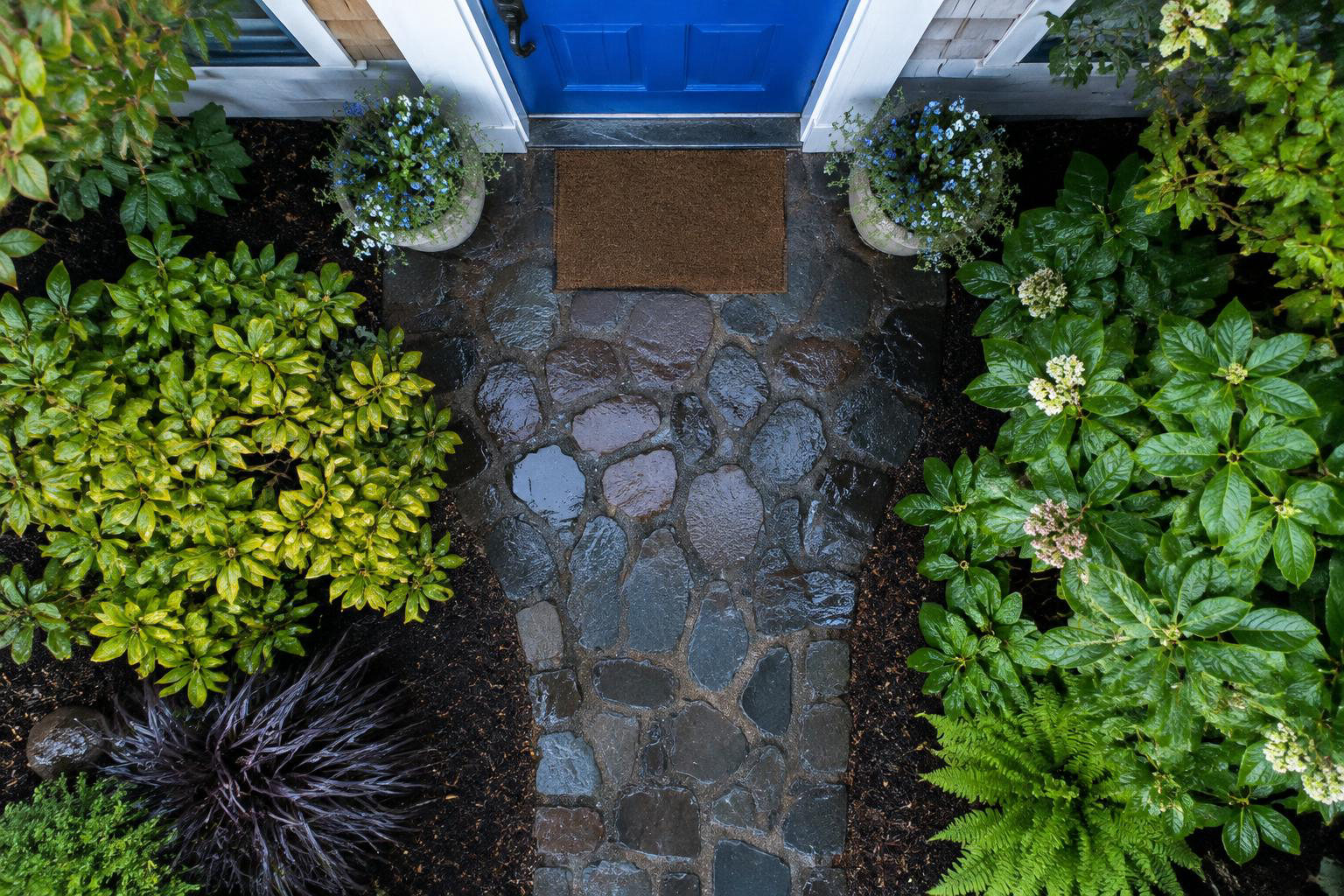
Neighborhood research should extend beyond crime and social connection. Depending on the King County property, review official information about flood exposure, mapped landslide hazards, wildfire exposure, and emergency access. Pay attention to drainage, retaining walls, trees near structures, and the condition of exterior stairs and railings. Maps are a starting point, not a substitute for inspections or specialized advice. Ask your insurance provider about coverage and property-specific concerns early enough to inform your decision.
For a condo, townhome, or property with shared access, review applicable association documents, maintenance responsibilities, entry systems, and shared lighting. Ask how common-area concerns are reported and addressed. Keep a comparison sheet for every property: observations, source links, unanswered questions, and deal-breakers. When discussing your search with Captain Ron and PNW Homes Group, that checklist can help frame concrete questions without relying on unsupported promises that any neighborhood is completely safe.
Frequently asked questions
Is King County part of Thurston County?
No. They are separate Washington counties. Seattle is in King County; Olympia, Lacey, and Tumwater are in Thurston County. Confirm a property’s jurisdiction before researching services, regulations, or public records.
Can a real estate agent tell me whether a neighborhood is safe?
An agent can help identify relevant resources and observable property features, but should not guarantee safety or substitute personal impressions for evidence. Use official records, firsthand visits, and your own priorities to evaluate a location.
How can I compare neighborhoods without relying on reputation?
Use the same checklist for each address: walking routes, crossings, lighting, traffic, official incident information, environmental hazards, and access to activities you value. Record when you visited and what still needs verification.
What if I cannot visit King County before buying?
Request live video tours showing the street, property access, and nearby routes, not just the interior. Review official maps and records independently, and consider a local visit or temporary stay before making a long-term commitment.
Ready to talk it through? Call or text Ron Rougeaux at (360) 338-8355 or email captainronjr@gmail.com.
About the author: Captain Ron (Ron Rougeaux)
Owner and Managing Broker of PNW Homes Group in Olympia. He works with every buyer and seller personally. More about Ron
Related articles
Questions? Talk to Ron directly